
NOTE
IPO Subscription
English translation of the original VNote “IPO Subscription”, preserving its structure with only necessary small corrections.
This is a historical learning note and may contain outdated or incomplete understanding.
Note: The original VNote structure and historical views are preserved. Product rules, returns, policies, and specific assets are time-sensitive; only clear errors or changed institutional rules are corrected minimally. This is not investment advice.
1. What Is IPO Subscription?
Participating in the subscription for newly issued shares; if allocated shares, you purchase stock that is about to be listed.
2. Why IPO Subscription Used to Be Considered Profitable
The original note was written in the era when China’s stock issuance system relied heavily on an approval system and pricing constraints. In that environment, IPO pricing could be constrained relative to secondary-market valuations, creating large first-day gains in many cases.
A-share issuance has since moved to a full registration-based system. IPO subscription is not guaranteed to be profitable, and new shares can trade below their issue price.
3. Hong Kong IPO Subscription
3.1. Characteristics
3.1.1. Broad Allocation (Retail-Friendly)
The note describes a mechanism that tries to give accounts at least one board lot before further allocation.
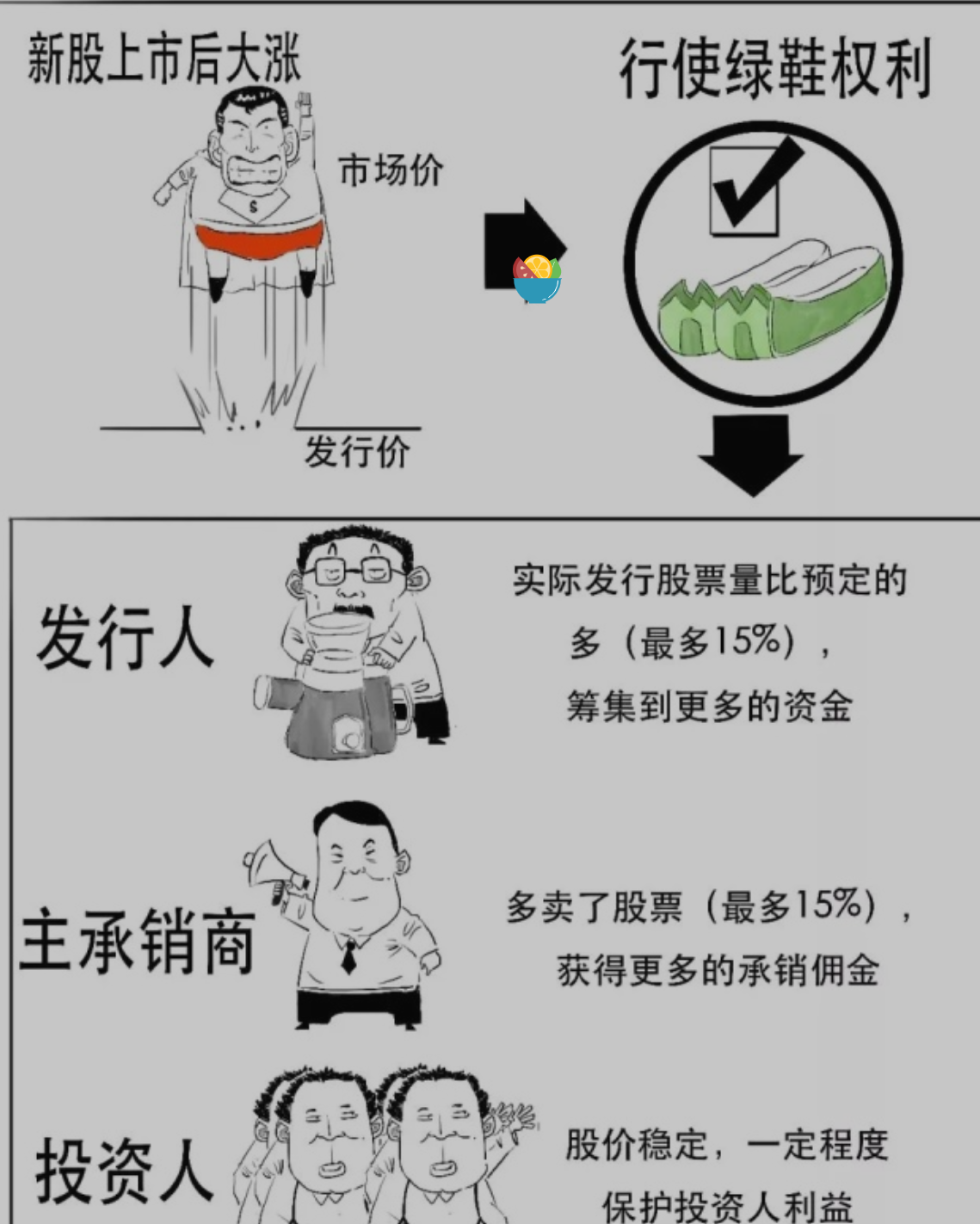
3.1.2. Greenshoe Mechanism
3.1.2.1. What It Is
- Overallotment option.
- Involves issuer - lead underwriter - investors.
- The issuer issues shares, the lead underwriter sells them, and investors buy from the underwriter.
- Example
- Tencent Music lists and issues 100 shares, Merrill Lynch handles the sale, and there is an additional 15-share overallotment option.
- If demand exceeds the 100 shares, the underwriter can exercise the option and sell another 15.
- If supply exceeds demand, the underwriter can choose not to exercise and may buy shares from the market as part of stabilization arrangements.
3.1.2.2. Purpose
- When the price rises, the original note describes a three-way benefit.
- When the price falls, investors can lose money.
3.2. Cornerstone Investors
3.2.1. What They Are
- Major institutional investors, large business groups, well-known wealthy investors, or their companies commit to buying new shares and accept a lock-up period such as six months under the deal terms.
- The note treats this as a form of credibility signaling.
3.2.2. Purpose
- For a cornerstone investor, the benefit is securing sufficient allocation.
- For an ordinary investor, the original note viewed the presence of cornerstone investors positively.
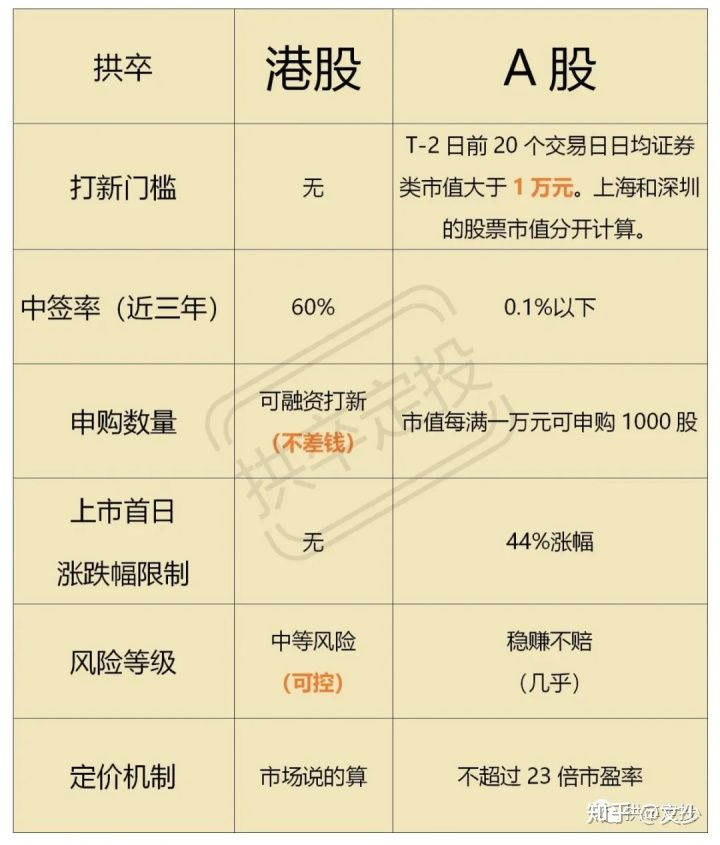
3.3. Hong Kong vs. A-Shares
3.4. Grey-Market Trading
3.4.1. What It Is
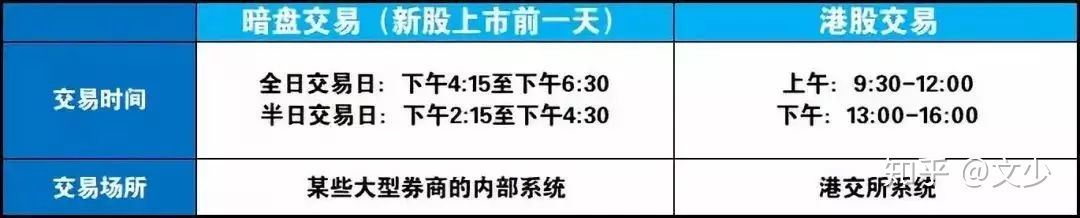
- A compliant trading arrangement offered by some brokers.
- Public trading is through HKEX; grey-market trading takes place through broker systems before official listing.
3.4.2. Why It Exists
- The note treats grey-market trading as a preview before listing that reflects investor sentiment.
A-Share IPO Subscription
The original note said “guaranteed profit.” That conclusion is no longer valid: A-shares now operate under the full registration-based system, and IPOs can break issue price and produce losses.
4. Note
- The historical rule was “subscribe to the IPO, do not speculate after listing; sell on the first day.” This is a historical tactic, not a universal rule.
5. References
- IPO Subscription - Baidu Baike
- The Real Risks and Returns of Hong Kong IPO Subscription - Zhihu
- Cornerstone Investors in Hong Kong IPOs - Zhihu
- Greenshoe Mechanism in Hong Kong IPOs - Zhihu
- Grey-Market Trading Is Only a Tool - Zhihu
- Convertible-Bond IPO Subscription - Zhihu
- Why Not to Speculate on Newly Listed Shares - Zhihu