NOTE
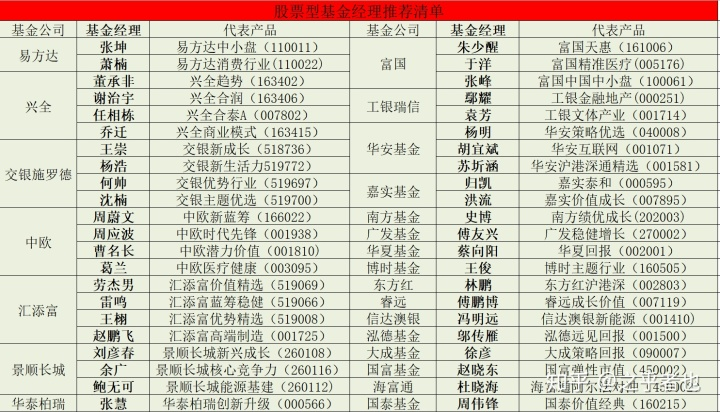
Active Fund Managers
English translation of the original VNote “Active Fund Managers”, preserving its structure with only necessary small corrections.
This is a historical learning note and may contain outdated or incomplete understanding.
Note: The original VNote structure and historical views are preserved. Product rules, returns, policies, and specific assets are time-sensitive; only clear errors or changed institutional rules are corrected minimally. This is not investment advice.
Historical snapshot: the fund managers, positions, holdings, and evaluations below mainly come from an early learning period. They should not be read as a 2026 list of current managers or recommendations.
1. Recommended Active Fund Managers
- If a fund manager runs several funds, their holdings are often similar; the note argues they should not be spread across too many distinct portfolios because the manager’s attention is limited.
- The note preferred funds that were not too large because very large portfolios can be harder to operate. It recorded roughly 8 billion yuan for large-cap funds and 4 billion yuan for small-cap funds as already relatively large historical thresholds.
- Prefer managers with mixed-industry mandates. Without an industry restriction, the note believed managers could adjust allocations to control drawdown.
2. E Fund
- Zhang Kun
- Graduated from Tsinghua University in Biomedical Engineering.
- Fund
- Characteristics
- Bottom-up.
- Low turnover.
- How did the note describe his candidate-pool criteria?
-
- Average ROIC over the past 5-10 years no lower than 10%, without large fluctuations.
-
- Exclude companies with excessive leverage; prefer businesses that grow organically and accumulate cash flow through operations rather than heavily indebted asset-heavy models.
-
- Strong industry position and a deep moat/barrier.
-
- How did the note describe his candidate-pool criteria?
- High individual-stock concentration; top-10 holdings around 70% in the historical snapshot.
- Emphasizes margin of safety and drawdown control.
- Circle of competence
- Missing opportunities outside one’s competence.
- Failing to do well within one’s competence.
- Entering an unfamiliar area and making mistakes.
- Xiao Nan
- Master’s degree in Economics.
- Fund
- Characteristics
- Focus on consumer sectors, especially food and beverages.
- High industry and stock concentration.
- Bottom-up.
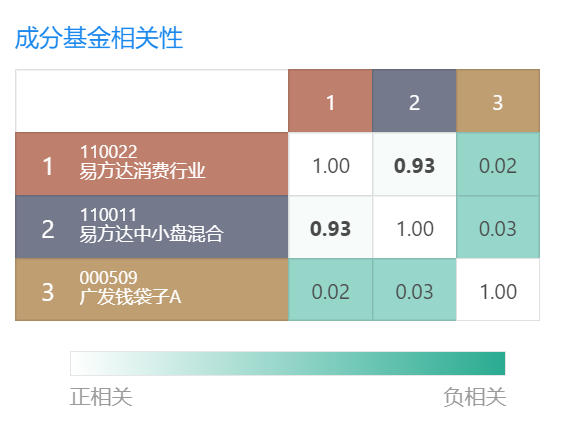
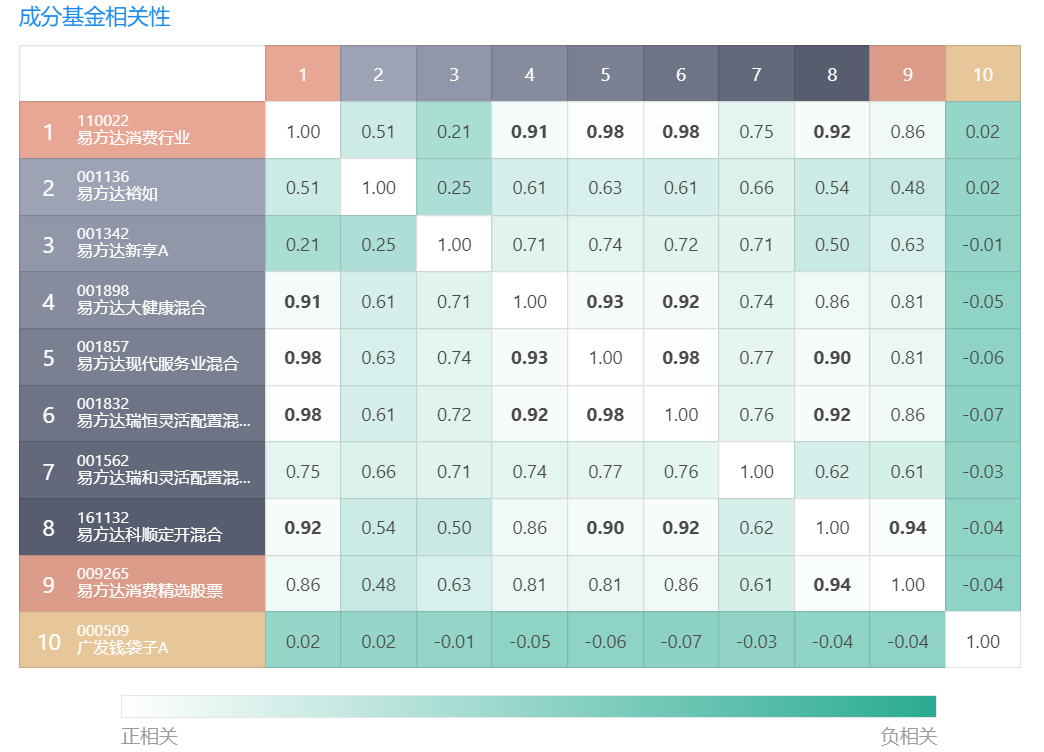
- Compared with Zhang Kun
- Higher historical liquor allocation.
3. Invesco Great Wall
-
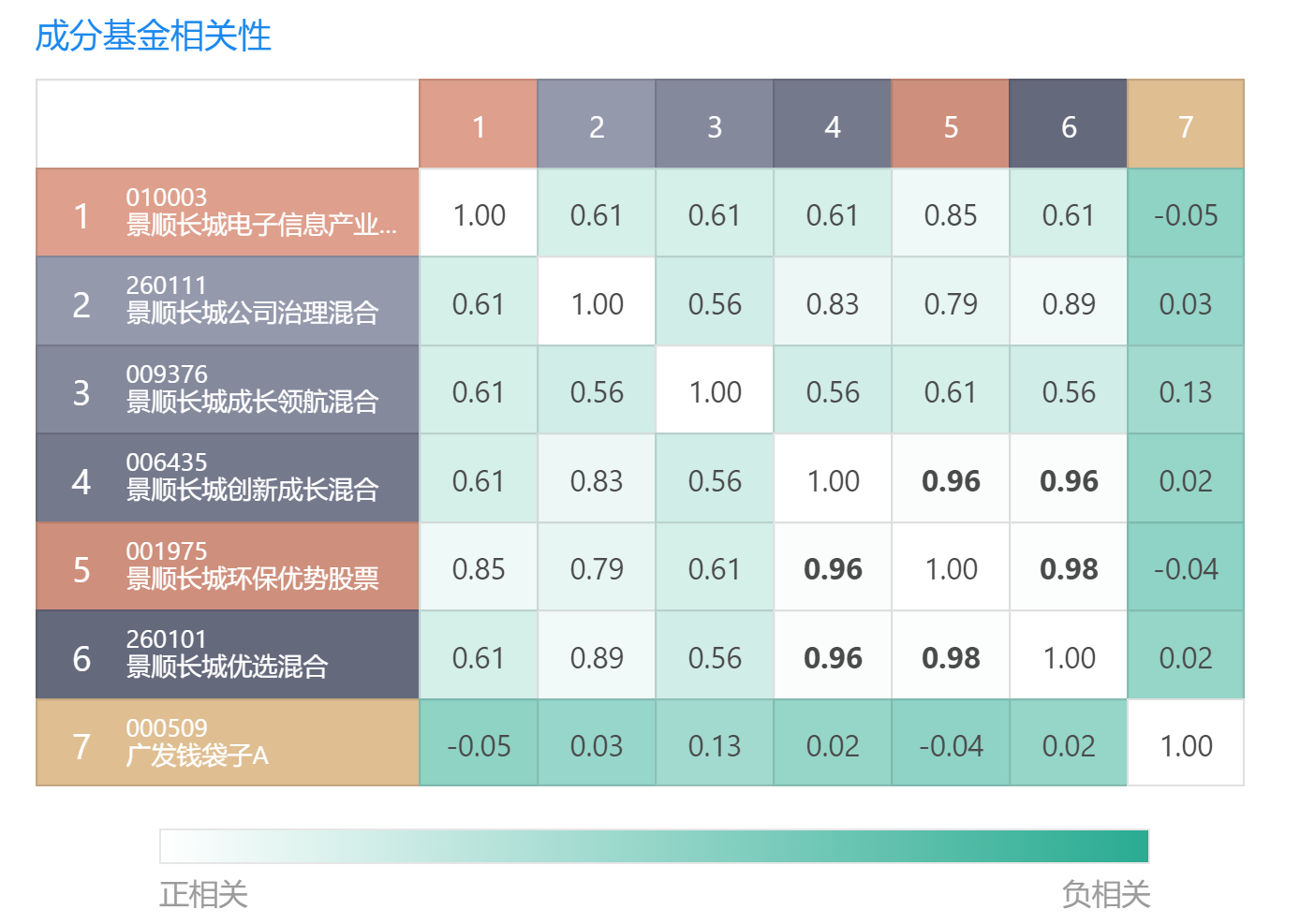
Liu Yanchun
- Master’s degree in Management from Peking University.
- Fund
- Characteristics
- Bottom-up.
- Do things within the circle of competence while continuously expanding it.
- Emphasizes fundamentals.
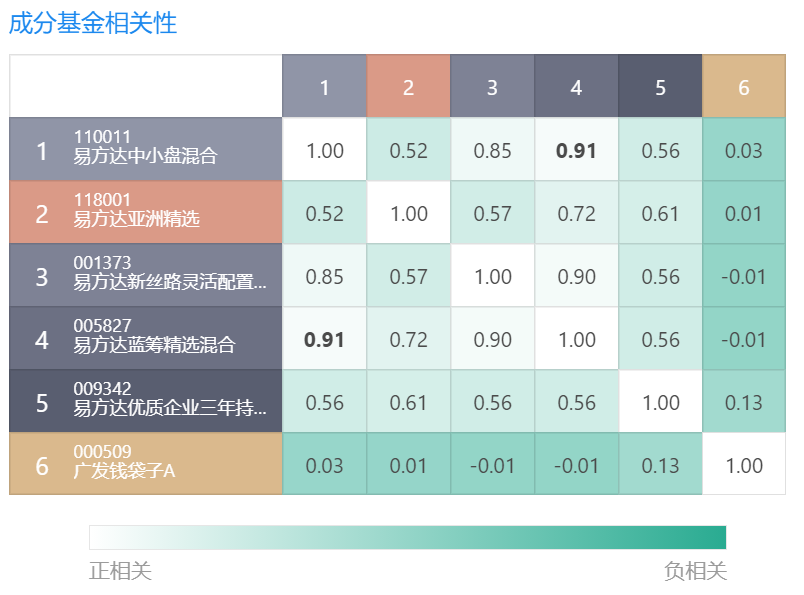
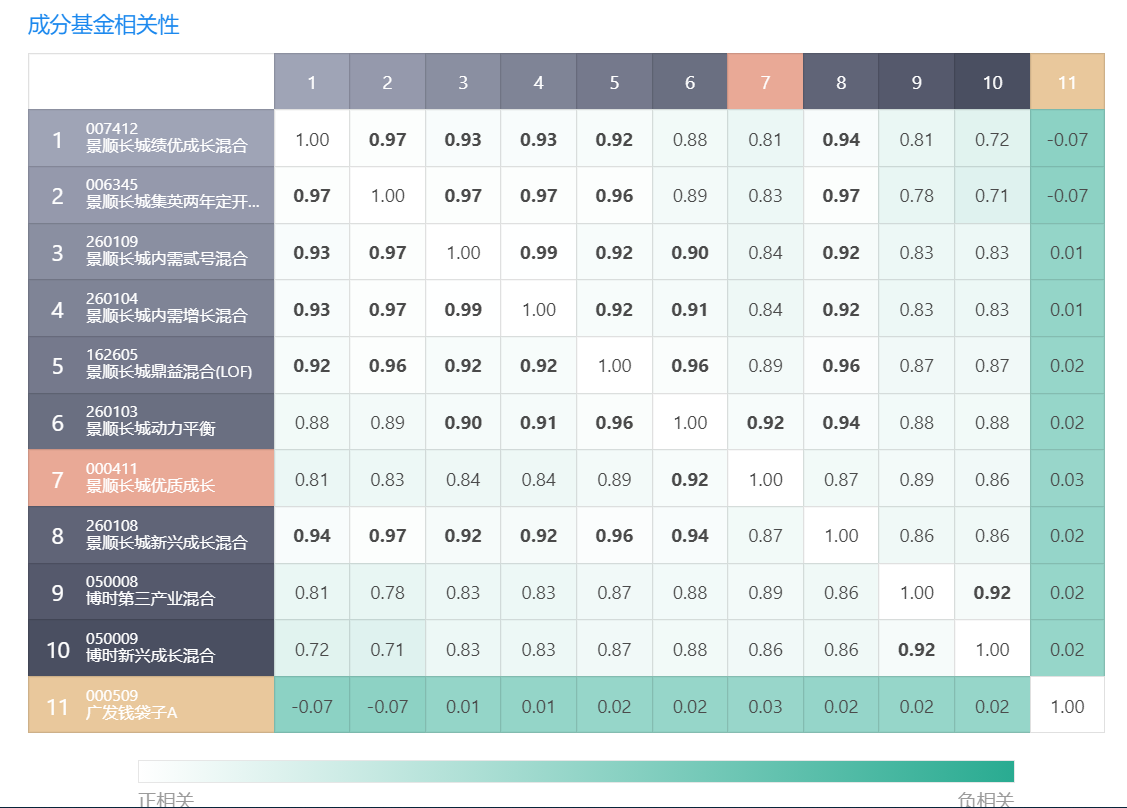
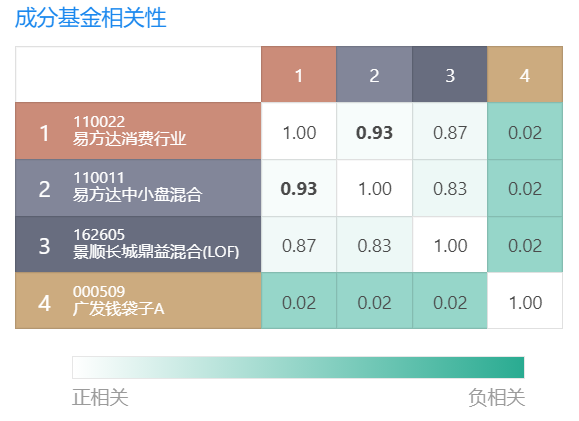
- vs. Zhang Kun
-
Yu Guang
- Bachelor’s in Economics from Guangdong University of Business Studies; MBA in Banking and Finance from Bangor Business School, University of Wales.
- Characteristics
- Described as similar to Lei Ming.
- Invest with an industrial/business-owner perspective.
- Bottom-up stock selection.
- Fund
-
Yang Ruiwen
- Master’s degrees in Engineering and Science.
- Characteristics
- Prefers growth stocks with moderately high valuations and moderately smaller market capitalizations.
- Described as somewhat similar to Lao Jienan.
- Fund
4. Cinda Australia Fund
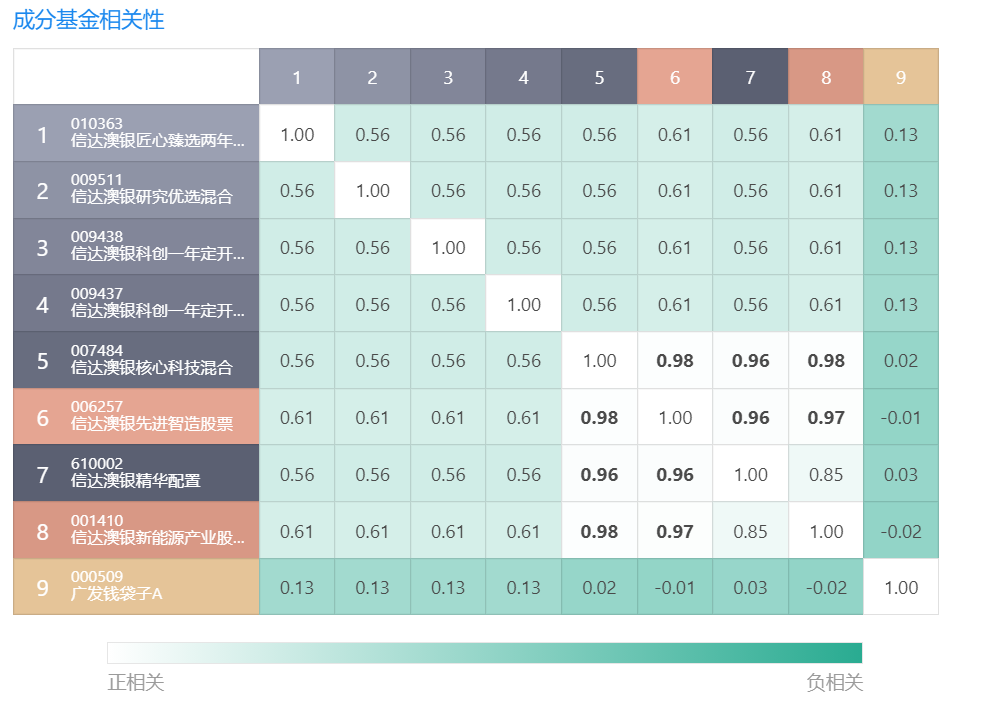
- Feng Mingyuan
- Master’s degree in Engineering from Zhejiang University.
- Fund
- Characteristics
- Diversified holdings; top-10 holdings only about 26% in the historical snapshot.
- Bottom-up.
- Prefers small/mid-cap growth stocks.
- Trading ability; annual turnover recorded around 3-5x.
- Circle of competence.
5. Ruiyuan Fund
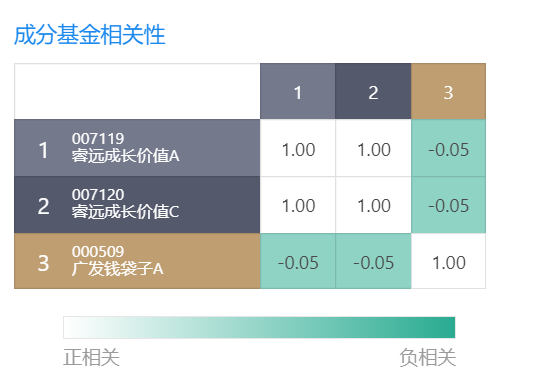
- Fu Pengbo
- Master’s degree in Economics.
- Characteristics
- 50% core holdings: selected good companies expected to generate long-term excess returns.
- 20%: temporarily undervalued companies that may benefit from valuation repair.
- Remaining holdings: companies driven by market or policy themes, viewed from a short/medium-term perspective.
- Fund
6. Xingquan Fund
-
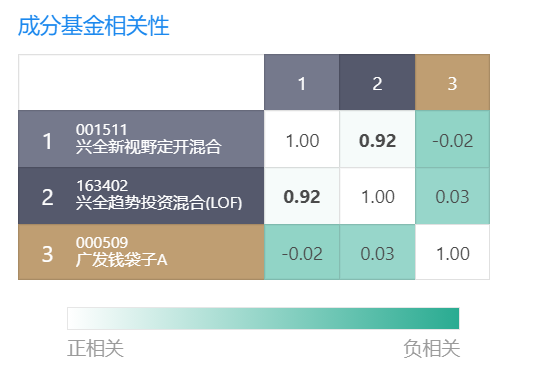
Dong Chengfei
- Master’s degree in Science from Shanghai Jiao Tong University.
- Characteristics
- Stable.
- Circle of competence.
- Balanced; not confined to one investment style.
- Both long-term holding and some timing.
- Considers both valuation and growth potential; both value and growth.
- Combines top-down and bottom-up.
- Fund
-
Xie Zhiyu
- Financial Engineering at Fudan University; Master’s degree in Economics.
- Characteristics
- Diversified holdings.
- Fund
-
Ren Xiangdong
- Master’s degree in Finance from Shanghai Jiao Tong University.
- Characteristics
- Institutional investors historically held more than 50%.
- GARP: growth at a reasonable price, combining value and growth investing.
- Contrarian investing: focus on what may happen in the future rather than following the crowd.
- Bottom-up.
- Company valuation
- Besides P/E, P/B, P/S, etc., the note records using replacement value as a lower-bound valuation and industrial-capital M&A value as an upper-bound valuation.
- “The essence of a moat is monopoly” in the historical note.
- Fund
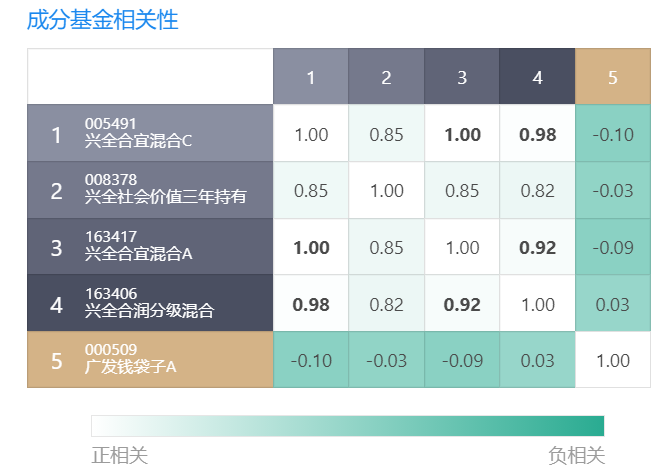
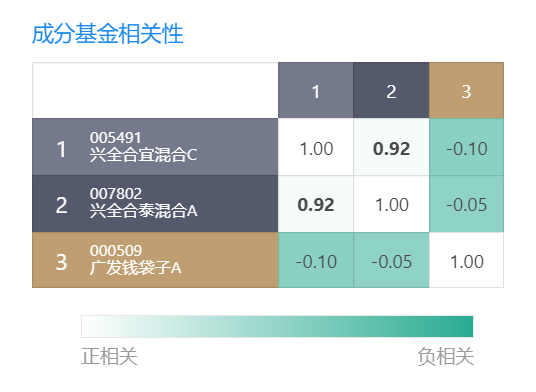
7. BOCOM Schroders
Focused on growth stocks in the historical snapshot.
-
Wang Chong
- PhD in Finance from Peking University.
- Characteristics
- Top-down control of systematic risk; bottom-up selection of high-momentum growth industries/companies.
- Position level around 70% in the snapshot.
- Diversified across about 5-10 industries.
- Concentrated individual stocks; top-10 holdings above 50%.
- Contrarian investing.
- Drawdown control.
- Fund
-
Yang Hao
- Communications and Information Systems, Beijing University of Posts and Telecommunications.
- Characteristics
- TMT (Technology, Media, Telecom).
- Growth-stock investing.
- Strong drawdown control in the historical assessment.
- Fund
-
He Shuai
- Master’s degree from Shanghai University of Finance and Economics.
- Characteristics
- Growth-stock investing.
- Position historically controlled between 60%-80%.
- Fund
- Comparison
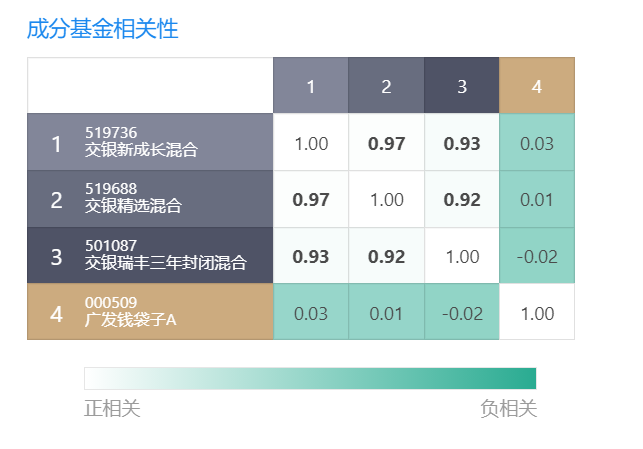
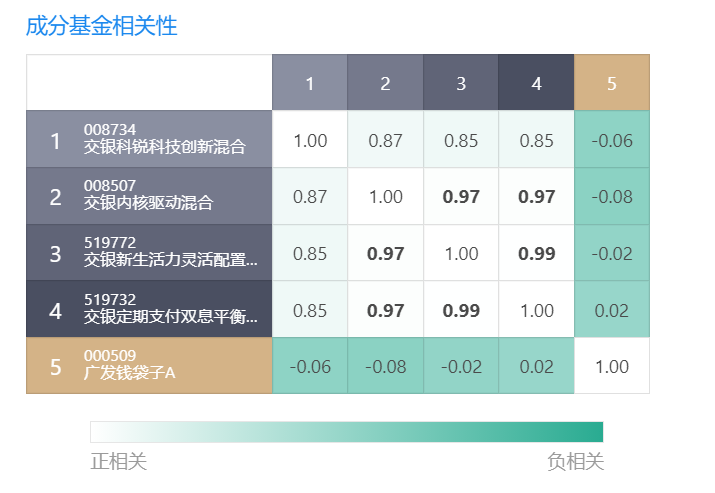
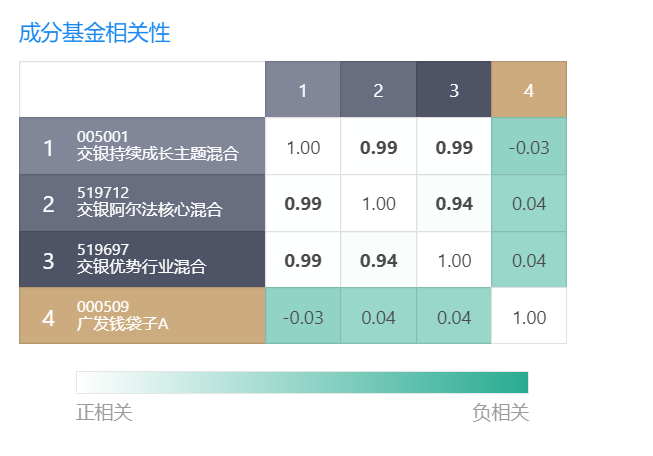
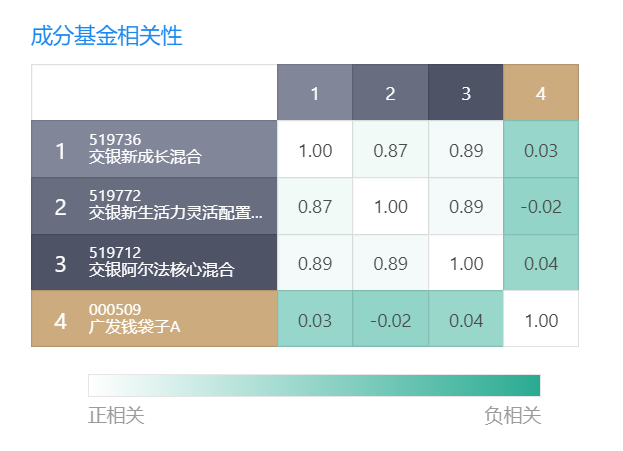
8. China Europe Fund
-
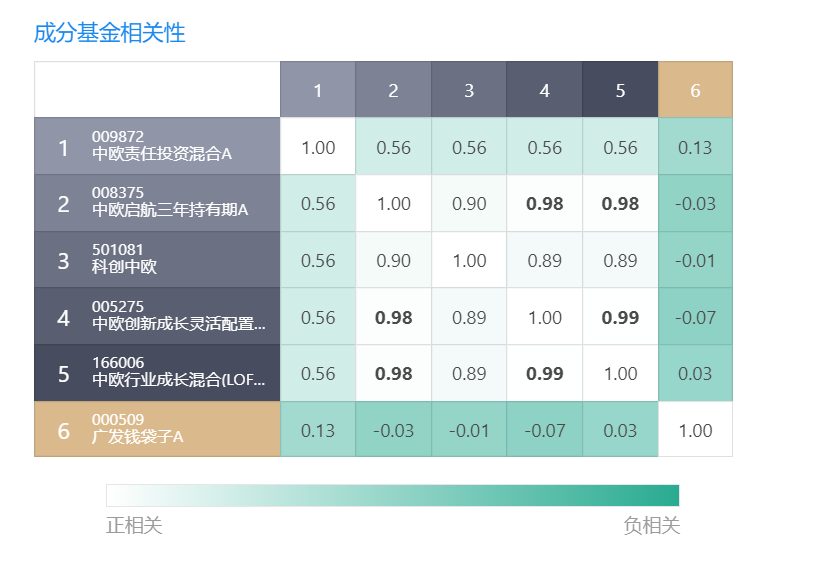
Zhou Weiwen
- Master’s degree in Management Science and Engineering from Peking University.
- Characteristics
- Top-down; the note attributes excess returns mainly to stock selection within industries and industry rotation.
- Industry momentum.
- Early/left-side positioning.
- Fund
-
Zhou Yingbo
- Master’s in Control Theory and Control Engineering from Peking University.
- Characteristics
- Style shifted from small-cap growth toward large-cap value and mid-cap growth.
- Industry coverage expanded from a few sectors to all-industry stock selection.
- Stock-selection logic shifted from industry rotation toward bottom-up selection.
- Trading frequency shifted from high turnover toward low turnover.
- Fund
-
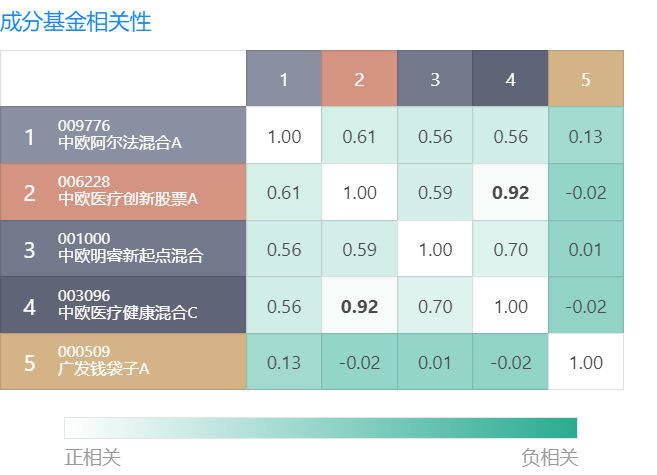
Cao Mingchang
- Characteristics
- The historical note says mentoring newcomers hurt performance.
- Low risk preference.
- Mainly bottom-up stock selection.
- Characteristics
-
Wang Pei
- Master’s degree in Polymer Physics and Chemistry from Fudan University.
- Characteristics
- Growth stocks
- The note says not every small/mid-cap growth-market stock is truly “growth”; a true high-growth company should be able to digest valuation through sustained high growth.
- One category benefits from technological progress reducing costs; another from monetary expansion, according to the note.
- Cycle framework.
- Four quadrants: cyclical, value, growth, consumer.
- Growth stocks
- Fund
-
Ge Lan
- Bachelor’s in Engineering Physics from Tsinghua University; PhD in Biomedical Engineering from Northwestern University.
- Characteristics
- Strongly positive on long-term healthcare opportunities in the historical view.
- For To-G industries where customers are relatively monopolistic/powerful, pharmaceutical companies may have weak bargaining power.
- Emphasizes top-down regulatory-policy changes and bottom-up professional company analysis.
- Fund
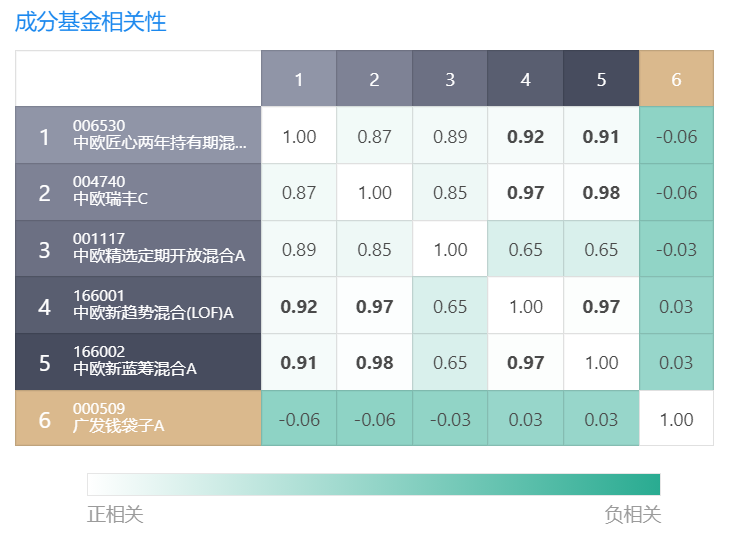
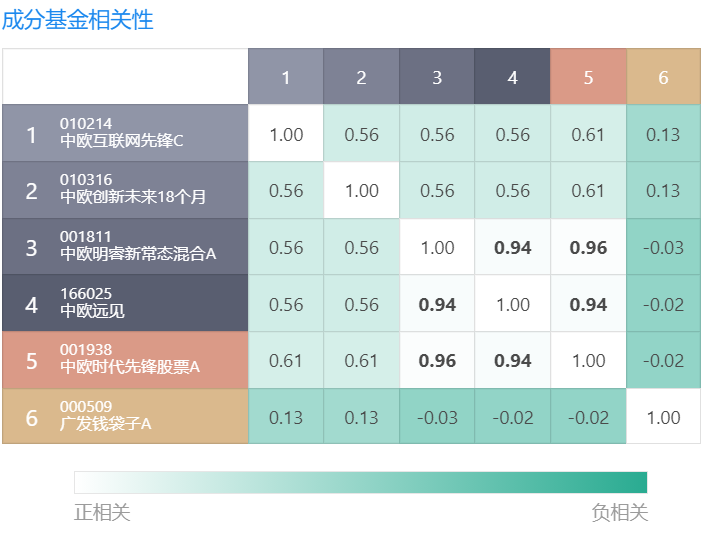
9. Fullgoal Fund
-
Yu Yang
- Bachelor’s in Biopharmaceuticals from Nanjing University School of Life Sciences.
- Characteristics
- Healthcare industry.
- Relatively young at the time.
- Had left the position according to the historical note.
- Fund
- Fullgoal Precision Healthcare.
-
Zhu Shaoxing
- PhD in Management.
- Characteristics
- Bottom-up.
- Growth-oriented.
- De-emphasizes market timing.
10. China Universal Fund
-
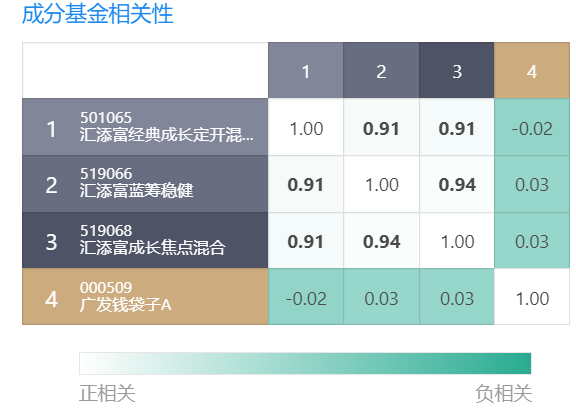
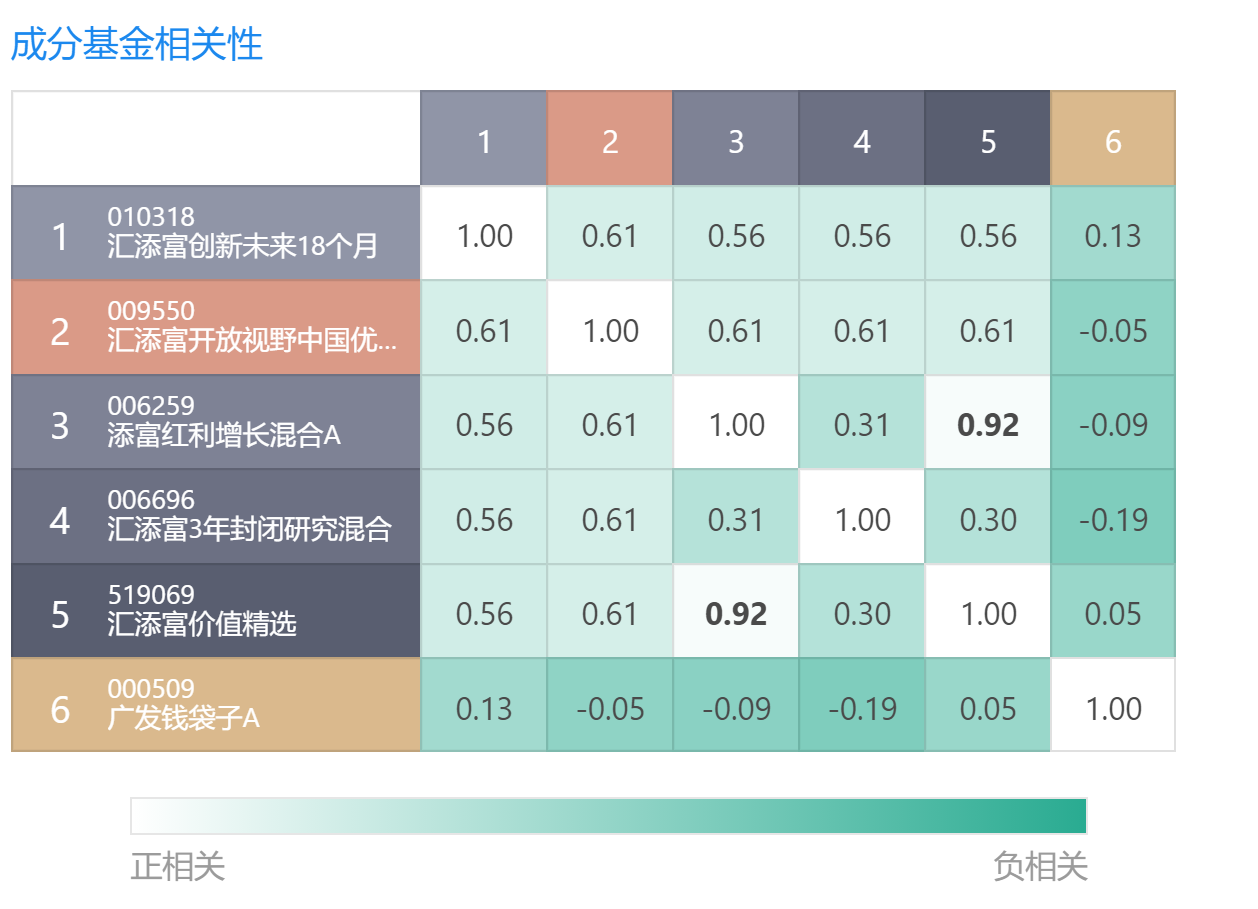
Lei Ming
- Master’s in Management from Huazhong University of Science and Technology.
- Characteristics
- Medium/long-term absolute return.
- Growth stocks.
- Contrarian investing.
- Fund
-
Lao Jienan
- Bachelor’s and Master’s in Economics from Fudan University.
- Characteristics
- Relatively balanced industry allocation.
- Bottom-up selected stocks.
- Contrarian investing and left-side trading.
- Fund
- vs. Lei Ming
- The note says Lei Ming had greater upside/downside elasticity, performing better in rising markets, while Lao Jienan was relatively more defensive in declines; medium/long-term performance was viewed as similar.
11. GF Fund
-
Fu Youxing
- Master’s degree in Economics.
- Characteristics
- Top-down.
- Contrarian thinking.
- Balanced fund style.
- Fund
-
Liu Gesong
- PhD in Economics.
- Characteristics
- “Evolution” in the original note.
- Fund
12. Harvest Fund
- Gui Kai
- Master’s degree in Economics from Tsinghua University.
- Characteristics
- Value investing with a growth tilt.
- Selects stocks from three dimensions: business model, competitive advantage, industry trend.
- Fund
13. China Asset Management
The original note says the firm focused heavily on ETFs and viewed its active funds as weaker at the time.
- Cai Xiangyang
- Master’s degree in Finance from China Agricultural University.
- Characteristics
- Bottom-up.
- Large-cap value and large-cap growth.
- Relatively low turnover.
- Equity position historically around 40%-60%.
- The author wrote “not optimistic.”
- Fund
14. HuaAn Fund
-
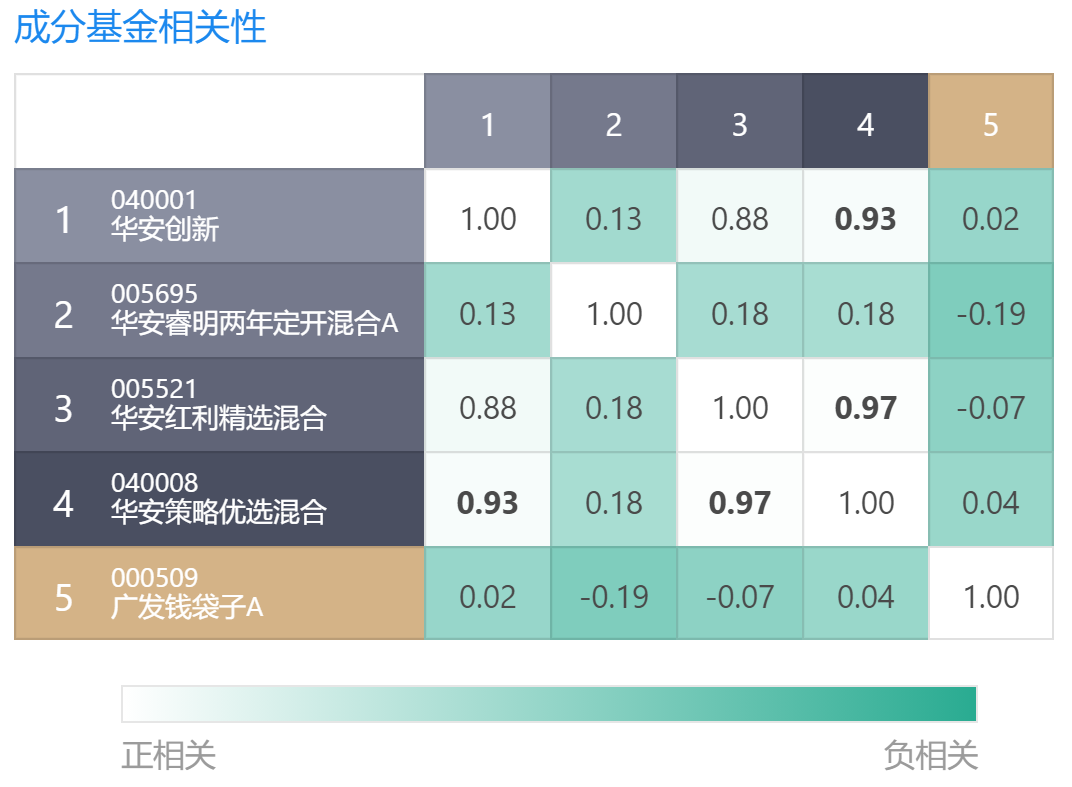
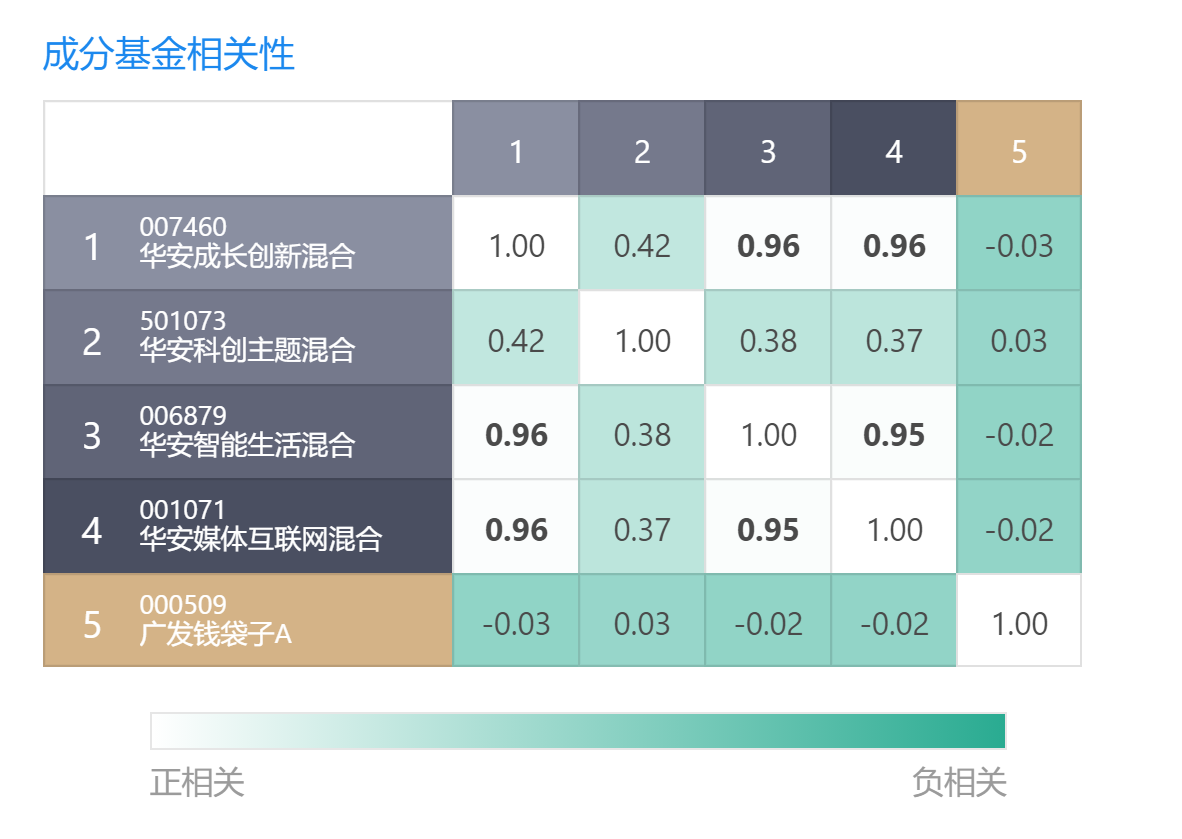
Yang Ming
- Master’s degree from Central University of Finance and Economics.
- Characteristics
- Strict drawdown control.
- Bottom-up.
- Circle of competence
- Mainly large financials and cyclical industries.
- Fund
-
Hu Yibin
- Characteristics
- Mid-level/industry-oriented investor.
- Growth stocks.
- Fund
- Characteristics
15. Yinhua Fund
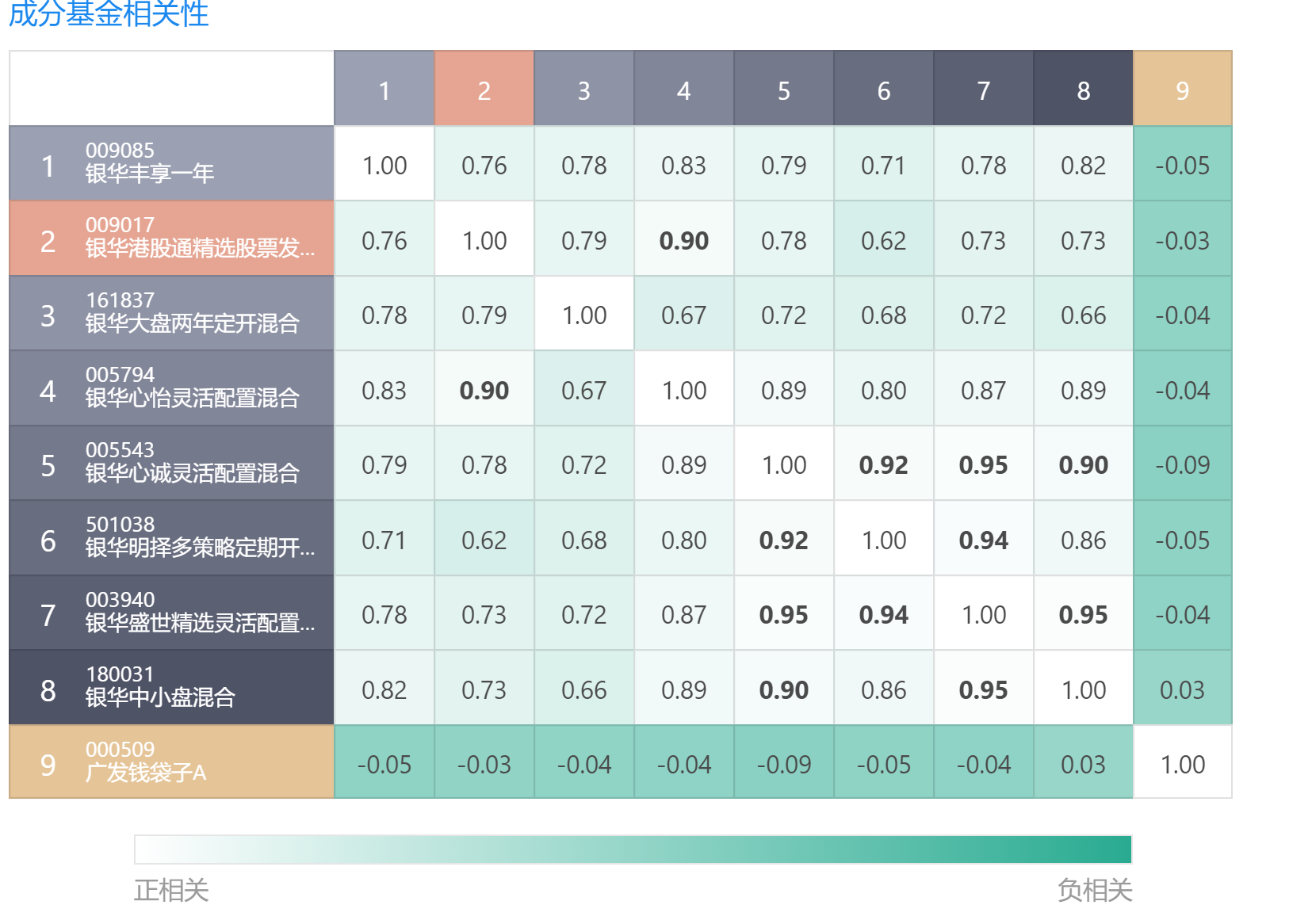
- Li Xiaoxing
- Engineering at University of Cambridge; dual master’s degrees including Imperial College London.
- Characteristics
- Industry-momentum/trend investing
- Find industries with improving momentum.
- Within those industries, find companies with fast earnings growth.
- Select reasonably valued targets.
- Prefer targets where fundamentals differ from market expectations.
- High institutional ownership in the historical snapshot.
- Industry-momentum/trend investing
- Fund
16. Zhonggeng Fund
- Qiu Dongrong
- MBA from Cheung Kong Graduate School of Business; Bachelor’s in Chemical Engineering and Technology from Tianjin University.
- Characteristics
- Value-strategy system
- First, asset allocation based on risk and risk premium.
- Second, bottom-up PB-ROE stock selection, centered on uncertainty in ROE.
- Third, risk-management system.
- The original note viewed the framework as conservative and expected less spectacular long-run performance.
- Value-strategy system
17. Guotai Fund
- Zhou Weifeng
- Master’s degree.
- Characteristics
- Circle of competence
- New-energy vehicles, pharmaceutical distribution, consumer, traditional manufacturing.
- Value investing.
- Industry momentum + bottom-up stock selection.
- Institutional ownership recorded as high as 96%.
- Had changed jobs according to the note.
- Circle of competence
18. Penghua Fund
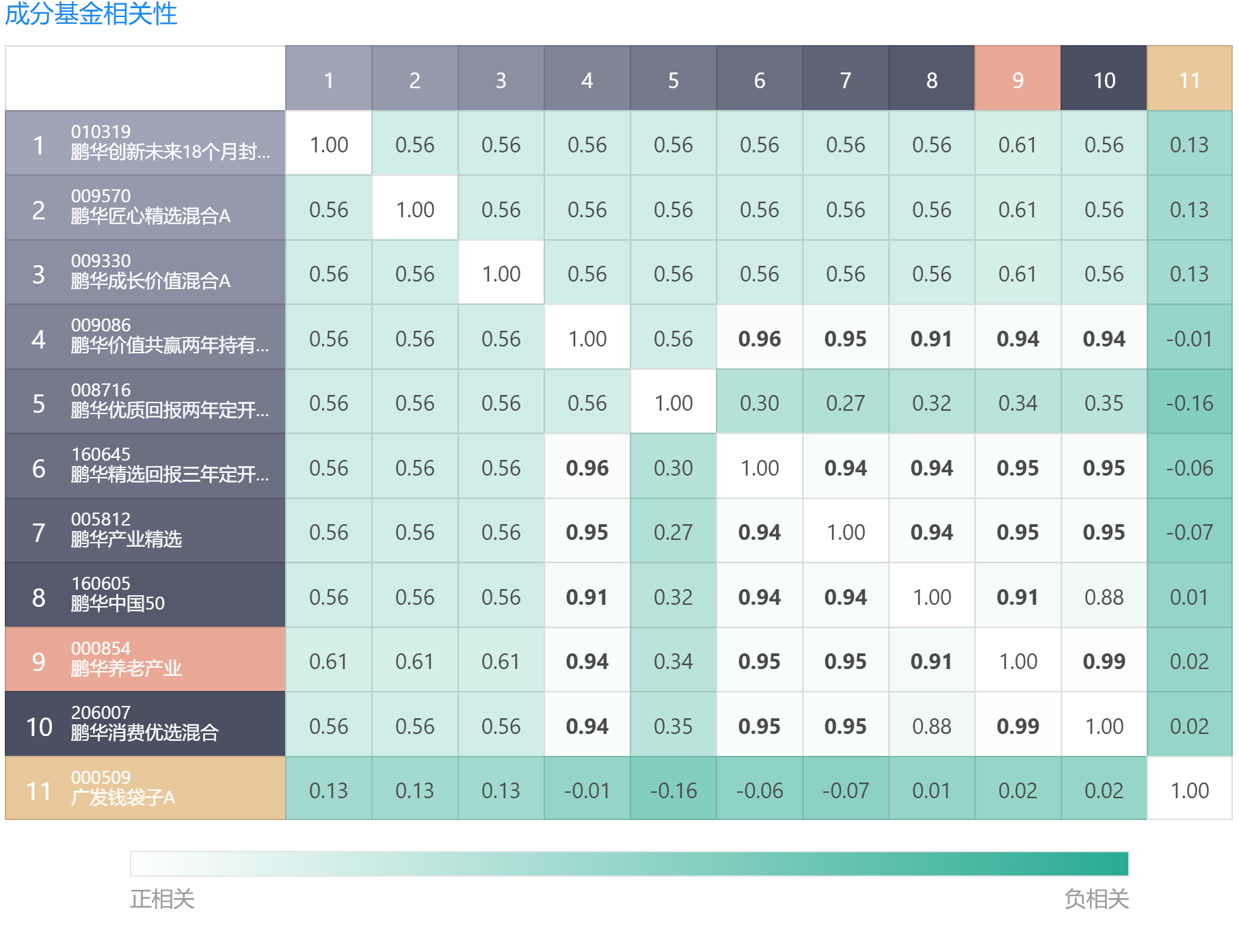
- Wang Zonghe
- Master’s degree in Finance from Renmin University of China.
- Characteristics
- Circle of competence
- Preference for food and beverage.
- Bottom-up.
- Circle of competence
- Fund
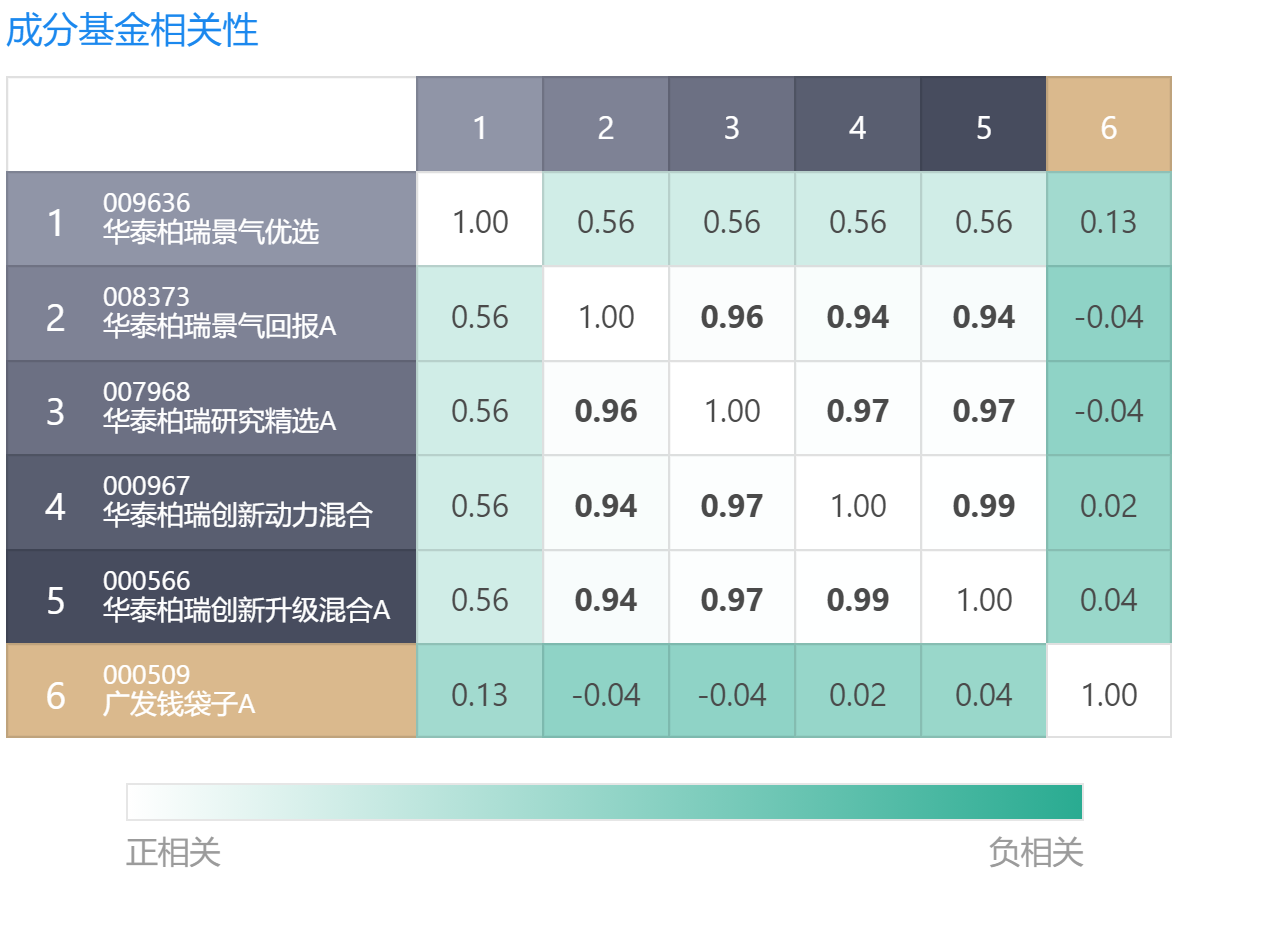
19. Huatai-PineBridge
- Zhang Hui
- Master’s degree in Economics.
- Characteristics
- Growth stocks
- Quantitative tools
- Consumer
- Managed stock-selection system
- From a mid-level industry view, select industries with improving and persistent momentum, then bottom-up identify companies with earnings momentum and continuously track/update the targets.
- Fund
- Growth stocks
20. Hongde Fund
- Wu Chuanyan
- Bachelor’s degree from Tsinghua University.
- Characteristics
- Background in insurance asset management; balanced equity/bond ability in the historical evaluation.
- Long-distance runner.
- Institutional ownership historically above 90%.
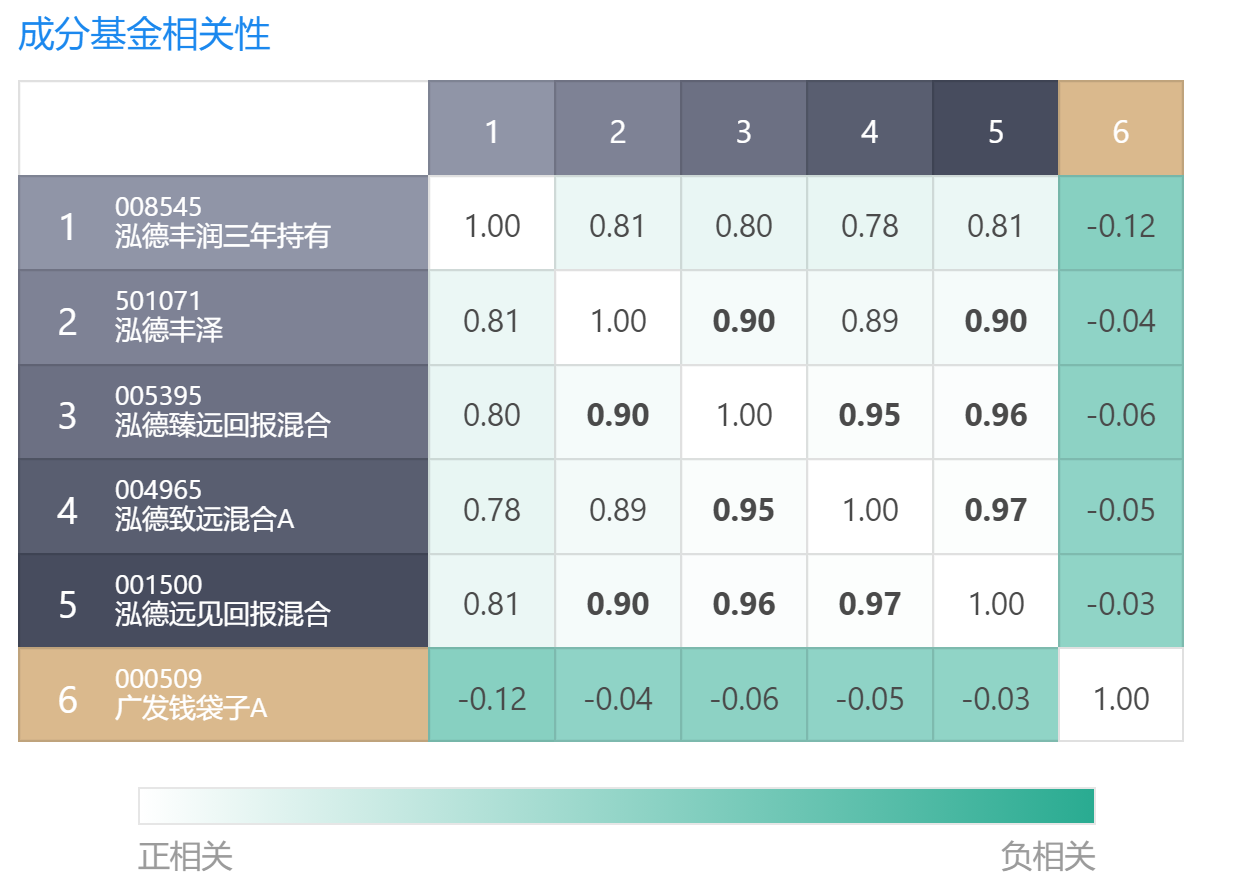
- Fund