
NOTE
Elasticity
English translation of the original VNote “Elasticity”, preserving its structure with only necessary small corrections.
This is a historical learning note and may contain outdated or incomplete understanding.
Note: The original VNote structure and wording are preserved. Only clear errors or statistical/institutional definitions that have changed are corrected minimally.
1. Demand
1.1. Price Elasticity of Demand
1.1.1. What It Is
1.1.1.1. Elasticity Coefficient
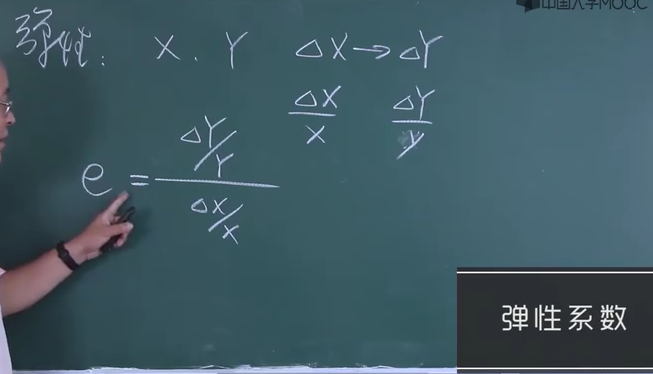
1.1.1.2. Price Elasticity of Demand
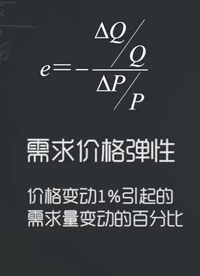
- The numerator is the percentage change in quantity demanded.
- The denominator is the percentage change in price.
1.1.2. Calculation Methods
1.1.2.1. Point Elasticity
- Substitute the two points directly.
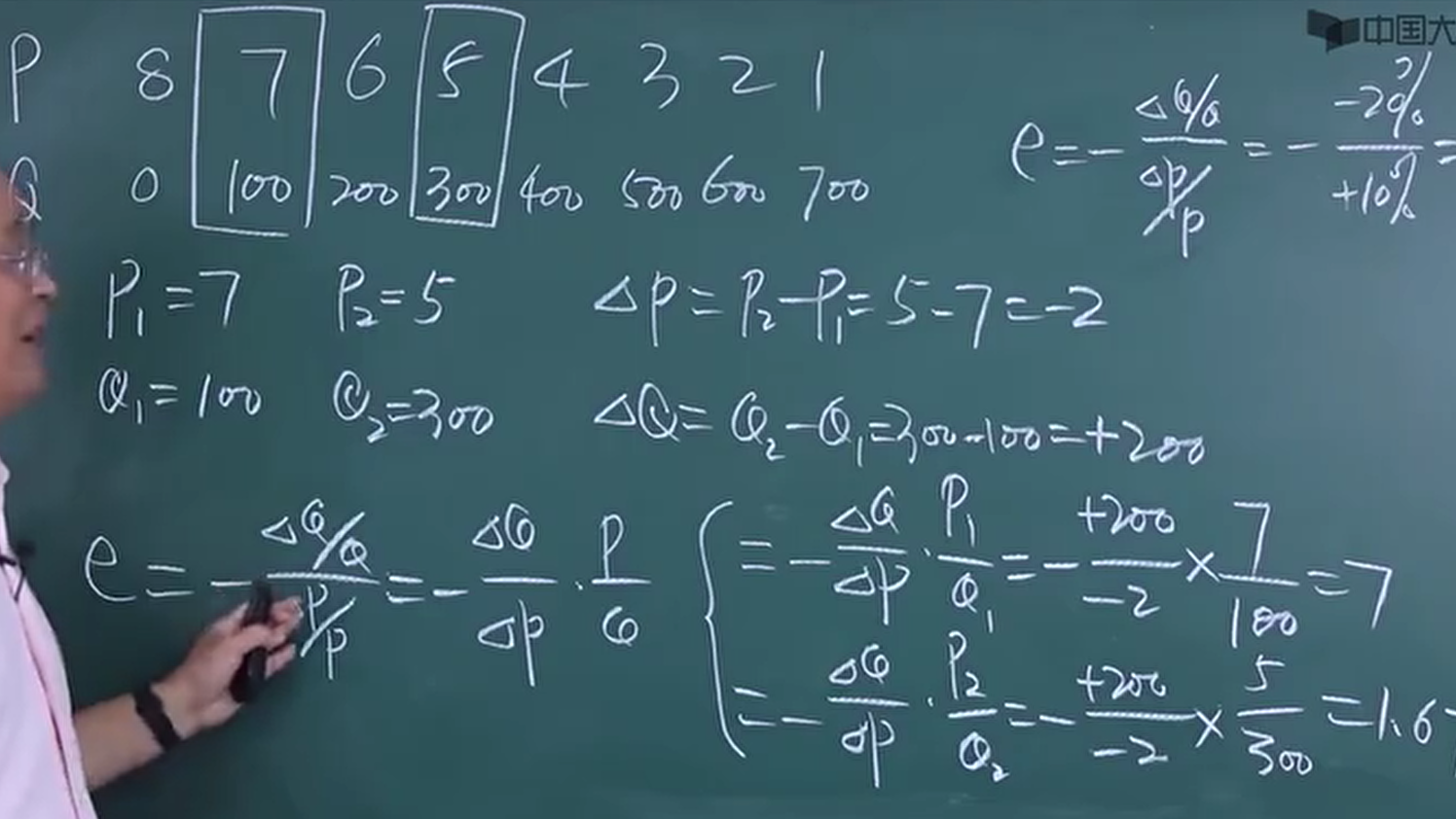
- The results differ because different calculation bases are used.
1.1.2.2. Arc Elasticity
- Calculate using the average of the two points.
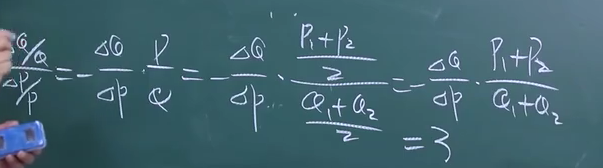
1.1.2.3. Arc Elasticity vs. Point Elasticity
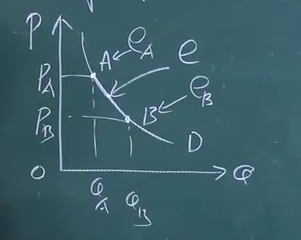
- When the price change is very small, point elasticity is more precise.
1.1.3. Types
- e > 1: elastic
- e < 1: inelastic
- e = 1: unit elastic
- e = 0: perfectly inelastic
- e = infinity: perfectly elastic
- For the same good, elasticity can be higher at a high-price portion of the demand curve and lower at a low-price portion.
1.1.4. Factors Affecting Price Elasticity of Demand
- How necessary the good is
- Degree of substitutability
- Share of total expenditure or income
- Number of uses
- Breadth of the category
- Time horizon
1.1.5. Uses
- Pricing
- Elastic demand: a price cut may increase total revenue (subject to cost, competition, and the position on the demand curve).
- Inelastic demand: a price increase may increase total revenue (still subject to cost, competition, and long-run demand).
1.2. Income Elasticity of Demand
1.2.1. What It Is
- The percentage change in quantity demanded caused by a 1% change in consumer income.
- e > 0: normal goods
- 0 < e < 1: necessities
- e > 1: luxury goods
- e < 0: inferior goods
1.2.2. Uses
- Determine the nature of a good
- Compare living standards
- Adjust export and product structure
1.3. Cross Elasticity of Demand
1.3.1. What It Is
- exy: change in demand for x caused by a change in the price of y.
- eyx: change in demand for y caused by a change in the price of x.
1.3.2. Uses
- exy > 0: substitutes
- exy < 0: complements
- exy = 0: independent goods
- Help firms adjust product structure and pricing.
2. Supply
2.1. Elasticity of Supply
2.1.1. What It Is
- The change in quantity supplied caused by a change in the price of the good.
2.1.2. Calculation Methods
2.1.2.1. Point Elasticity
2.1.2.2. Arc Elasticity
2.1.3. Types
- e = infinity: perfectly elastic
- e = 0: perfectly inelastic
- e = 1: unit elastic
- e < 1: inelastic
- e > 1: elastic
2.1.4. Factors Affecting Elasticity of Supply
- Production difficulty
- Production-cost changes
- Production scale
- Availability of inputs
- Time
2.1.5. Uses
- “A small boat is easier to turn” -> larger e.