
NOTE
1.5 Message Authentication Code
Purpose, process, limitations, and HMAC.
This is a historical learning note and may contain outdated or incomplete understanding.
1. What Is a Message Authentication Code
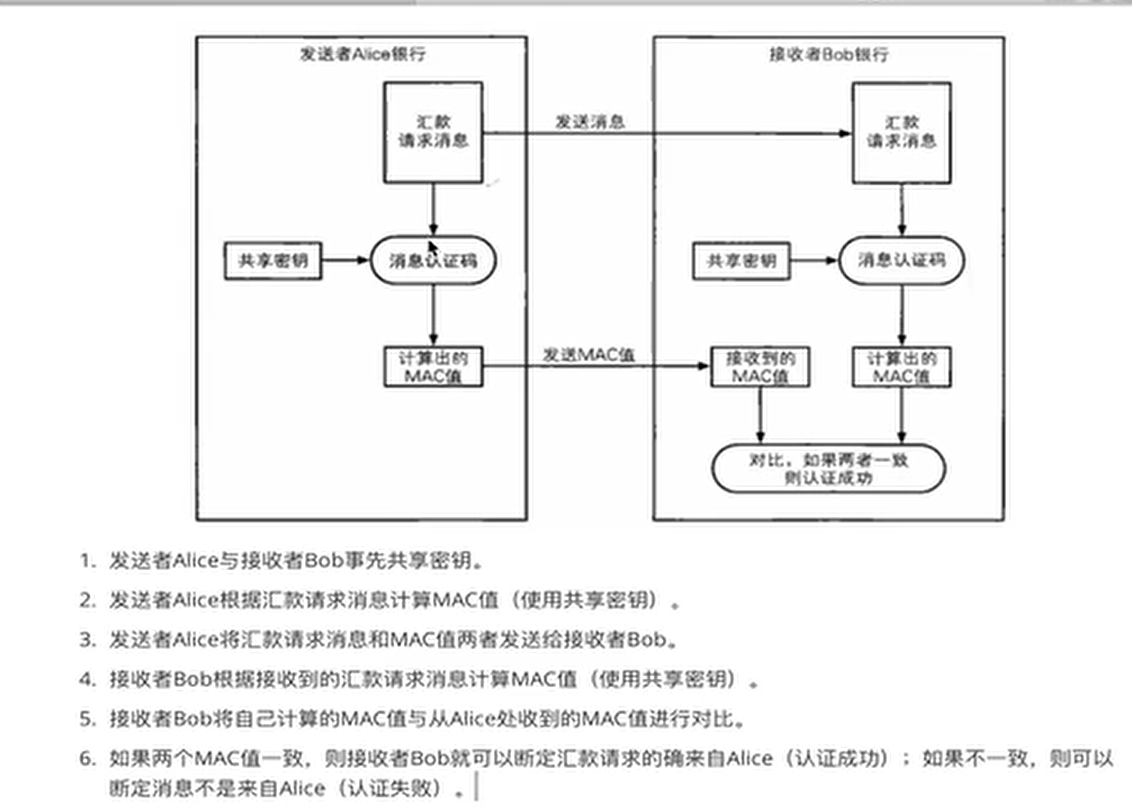
A MAC is a technique for checking message integrity and authenticating a message using a shared secret.
2. MAC Properties
Integrity + authentication.
3. Purpose of a MAC
- Detect whether data was modified, commonly using a hash or block-cipher-based construction.
- Authenticate the sender among parties that share the secret key.
4. MAC Process
5. Limitations of a MAC
- The secret key still has to be distributed securely.
- It cannot provide public third-party verification.
- Because both sides know the same secret, it cannot provide non-repudiation between them.
5.1. Solution
Digital signatures solve a different trust problem by using asymmetric keys.
6. How to Implement a MAC
6.1. HMAC
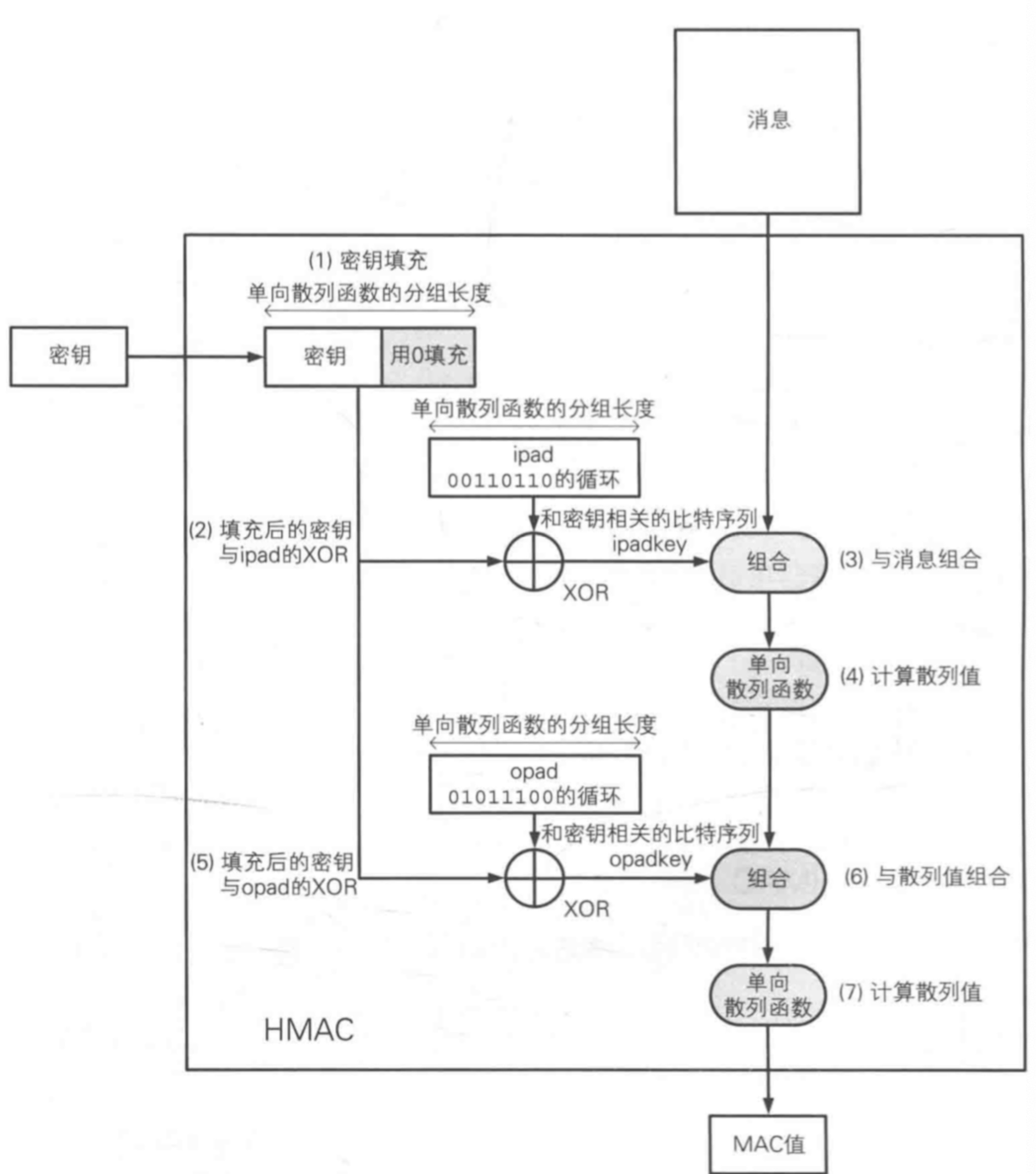
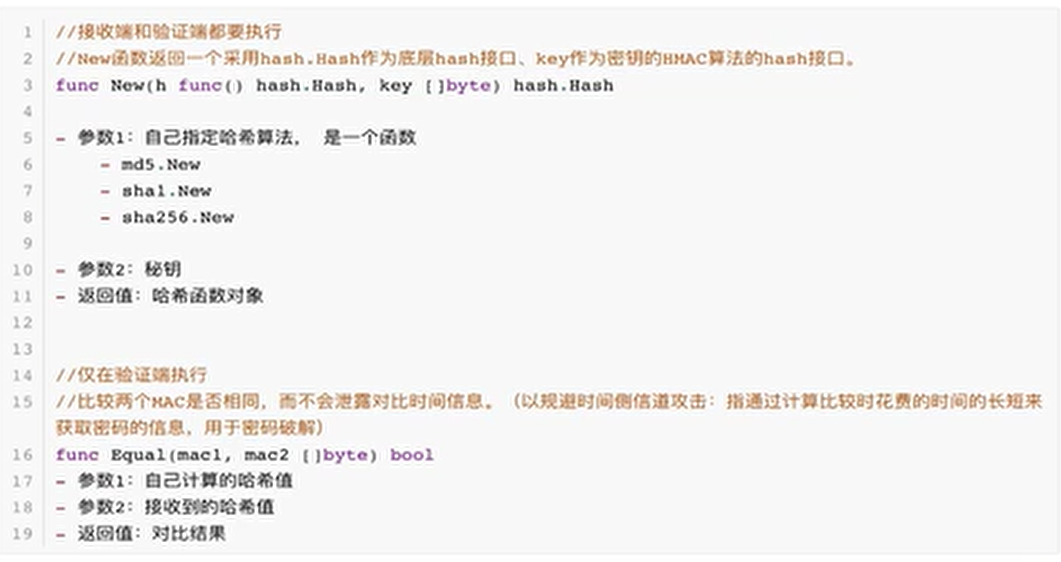
HMAC constructs a MAC from a cryptographic hash function and a secret key.
7. Advanced MAC Usage
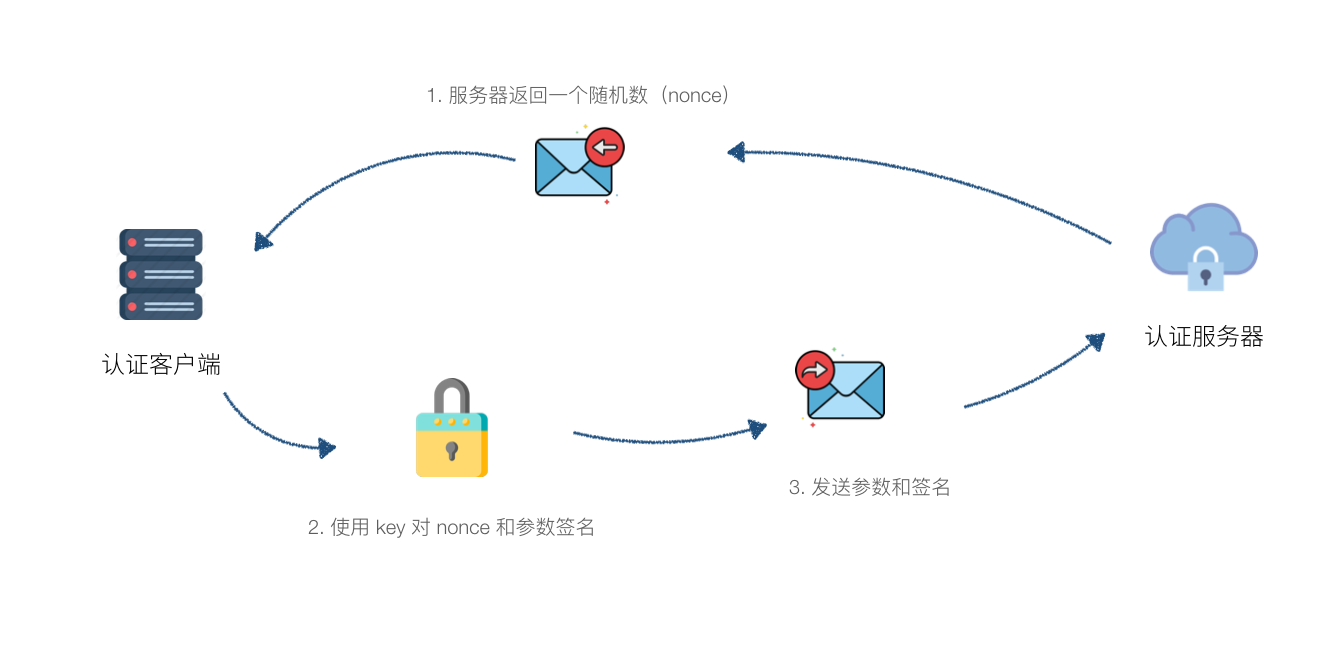 A nonce, timestamp, sequence number, or request identifier can be included in authenticated data to help prevent replay attacks.