
NOTE
1.6 Digital Signature
Digital signatures, certificates, and CA trust chains.
This is a historical learning note and may contain outdated or incomplete understanding.
1. Digital Signatures
1.1. What Is a Digital Signature
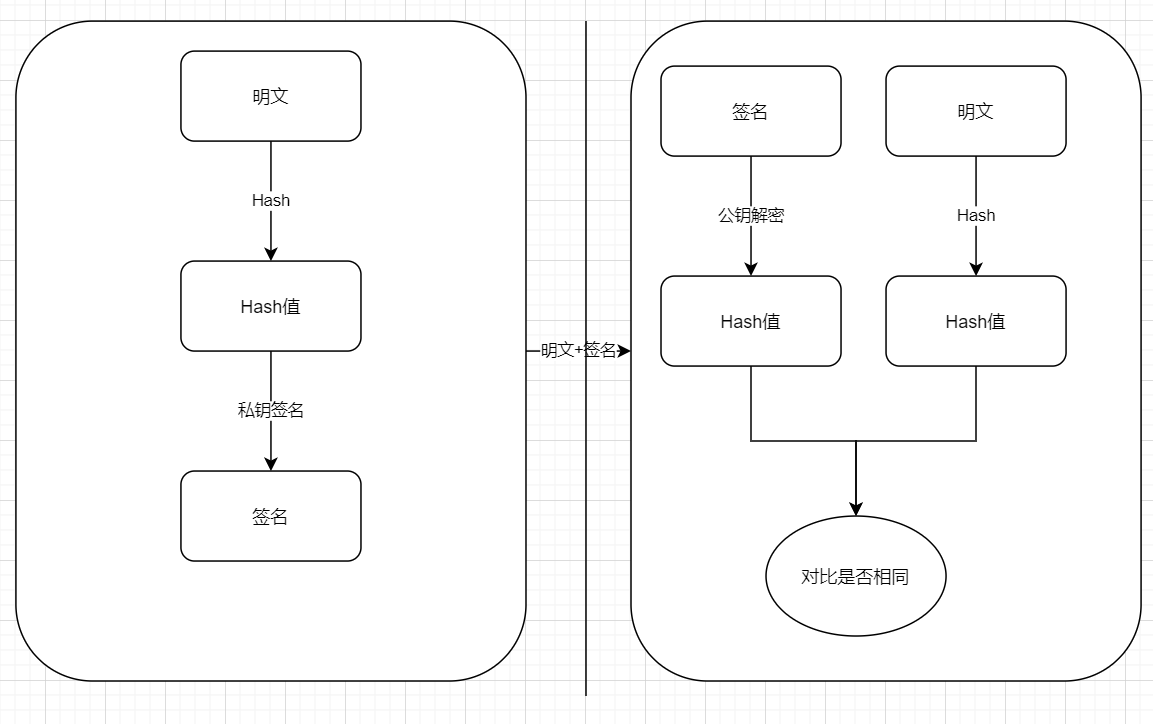
A digital signature lets a holder of a private key sign data so that others can verify the signature with the corresponding public key.
1.2. Digital Signature Properties
Integrity + authentication + non-repudiation in an appropriate trust model.
1.3. Digital Signature Process
2. Digital Certificates
2.1. What Is a Digital Certificate
- A certificate binds an identity or hostname to a public key and is signed by a certificate authority (CA).
- A CA can be compared to an authority that issues identity credentials.
2.2. Why Certificates Are Needed
- They help clients authenticate the public key they receive and prevent an attacker from simply substituting another public key.
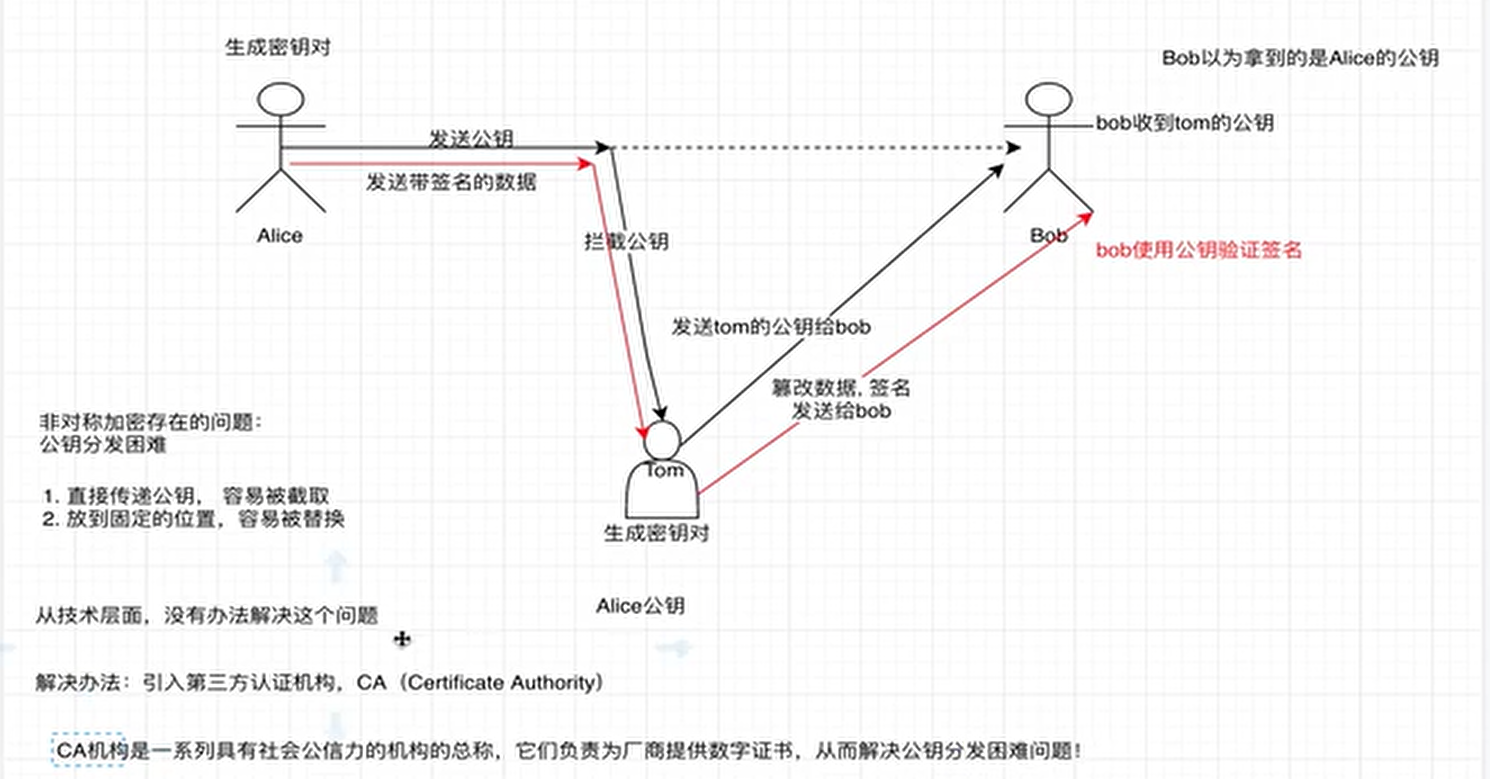
2.3. How Certificates Work
- A server creates a key pair and a certificate signing request.
- A CA validates the request according to its policy and signs a certificate.
- The server presents the certificate during the TLS handshake.
- The client validates the certificate chain, validity, hostname, and other constraints.
3. CA Trust Chains
3.1. What Is a CA Trust Chain
- A root CA can sign an intermediate CA, which can sign another intermediate or an end-entity certificate.
- Root CA certificates are preinstalled in or configured by the operating system/application trust store.
3.2. Why Trust Chains Are Needed
- They create a scalable hierarchy of trust and reduce direct use of root private keys.